If you've heard players mention a set "rotating out" and weren't sure what that meant for your binder, here's the short version: rotation is a competitive-play rule, not a statement about whether your cards are still good, valuable, or worth keeping.
What rotation actually is
The Pokémon TCG's Standard format only allows cards from a defined, rolling window of recent sets. Roughly once a year, the oldest sets in that window get dropped, and only newer sets remain legal for Standard tournament play. Cards that rotate out don't disappear — they're still perfectly playable in Expanded format and casual games, and they obviously still count as collectibles — they just stop being usable in the most common competitive format.
Why it matters even if you don't play competitively
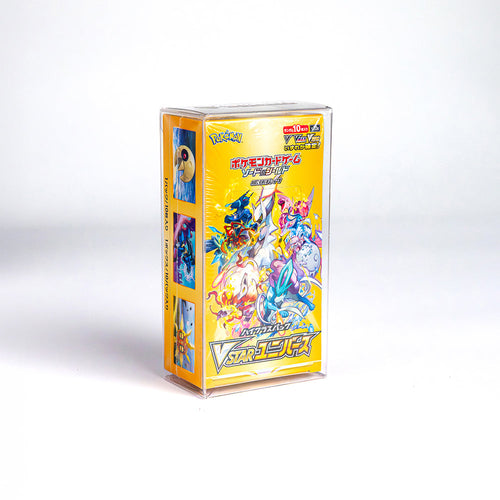
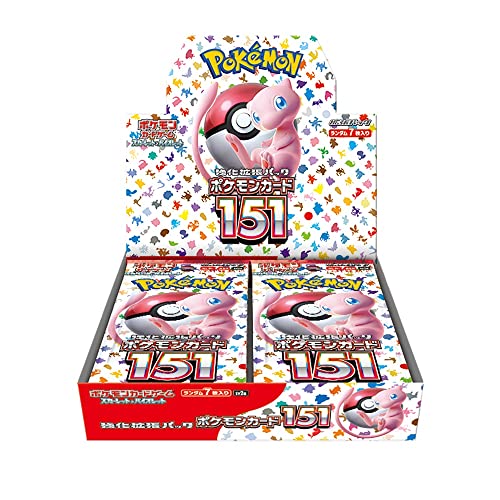
Rotation quietly affects demand. Staple cards from a rotating set (strong Trainers, widely-played Pokémon) often see a short-term dip in singles demand right as they rotate out, since players stop needing playsets. Sealed product tends to move the opposite direction over a longer horizon — once a set stops being printed or restocked, sealed boxes become a fixed, shrinking supply, which is a big part of why older Japanese high-class sets hold value the way they do.
What this means for collectors specifically
If you're buying for the shelf rather than the table, rotation isn't really your problem — sealed product doesn't care what format is legal. If you do occasionally play Standard, it's worth checking a set's rotation timeline before you build around a specific card, so you're not relearning a deck the following season.
Our take
We keep both current-Standard English sets and older Japanese sets in stock for exactly this reason — one audience wants what's tournament-legal right now, the other wants what's becoming scarce. If you're holding sealed product from a set that's about to rotate and you're weighing whether to keep it or sell, ask us what we're currently seeing in demand before you decide.