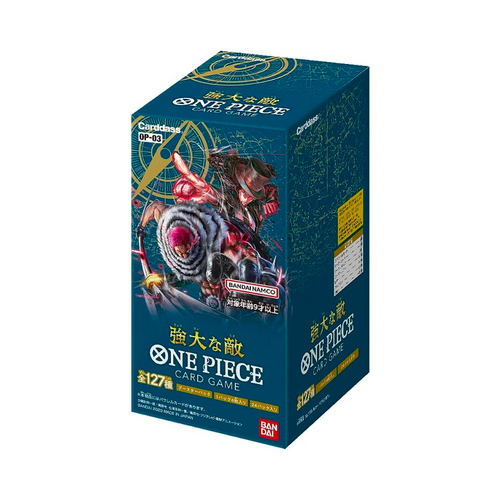
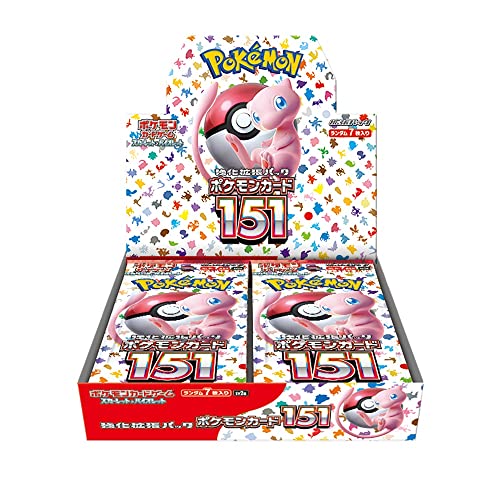
A sealed box is worth exactly two things over time: what the set does in the secondary market, and what condition your specific copy is in when you decide to sell. You can't control the first one. The second one is almost entirely up to how you store it, and it's the part most collectors get wrong.
Shrink wrap is the whole ballgame
An intact factory seal is the single biggest driver of resale value on sealed product, full stop. Once that shrink is torn, scuffed or cloudy, or the box has been resealed, you're not selling "mint sealed" anymore, you're selling "opened" or "resealed," and the price gap between those categories is large. Everything else in this guide exists to protect that seal.
Heat, humidity and light
Keep sealed product somewhere with stable temperature and humidity, away from direct sunlight. Attics, garages, and anywhere near a radiator or window are all bad long-term storage spots. Heat and humidity swings cause shrink wrap to loosen or shrink unevenly over months and years, and direct sunlight can fade box art and, on some Japanese stock, visibly bleach the cardboard.
Stacking is riskier than it looks
Stacking boxes directly on top of each other is one of the most common ways collectors damage their own collection without noticing. Corner dents and shrink scuffs build up slowly from boxes shifting against each other, and by the time you notice, the damage is already done. If you stack, use dividers or keep similar-sized boxes together, and never put a heavier box on top of a lighter, more fragile one.
The cheapest insurance you can buy
A rigid case around the box does two things a shelf alone can't: it stops shrink from scuffing against anything, and it stops corners from taking impact damage during storage or shipping. A Heimdall® PET Protector costs a small fraction of what's inside it, fits the box exactly, and is honestly the highest-ROI purchase most collectors skip until after they've already put a dent in something valuable.
Displaying without exposing
If you want your collection visible rather than boxed away, a glass or acrylic cabinet out of direct sunlight is the safest option. Avoid open shelving in a room that gets strong afternoon light, and rotate what's on display if you can't avoid some light exposure altogether. The goal is the same whether it's on a shelf or in a closet: minimise handling, minimise light, minimise temperature swings.
Not sure whether something in your collection is still in sellable condition, or want a read on what storage-related damage might have already cost you? Send us photos, we look at sealed product professionally and can tell you honestly where it stands.