Grading a Pokémon card sounds like the obvious move if you think it's valuable: send it in, get a slab, watch the number go up. In practice grading is a bet. You're paying money and waiting weeks, sometimes months, for a result that might not move the price at all, or could even hurt it if the card comes back lower than expected. Here's how we think about it.
Grade when the card can actually clear a price gap
The only reliable reason to grade is when a high grade (typically PSA 10 or BGS 9.5+) sells for meaningfully more than the raw card, enough to cover the grading fee, shipping both ways and months of waiting. For a common holo worth a few euros raw, that math almost never works out. For a chase alt-art or a vintage card in genuinely pristine condition, it often does.
Check the card yourself before you spend a cent
Look at centering under bright light first, it's the number one reason cards miss a 10. Then edges and corners under magnification, then surface for print lines or scratches you can't see at normal viewing distance. If you can already spot an issue with your own eyes, a grading company will find it too.
When it's not worth it: sell raw instead
If the card doesn't clear the price-gap math, or the condition isn't obviously gem mint, raw is usually the better call. You get paid now instead of in a few months, and you skip the risk of a lower grade actively hurting resale value. We buy raw singles and sealed product through our sell your collection page if you'd rather cash out than gamble on a grade.
Protect what you're not grading yet
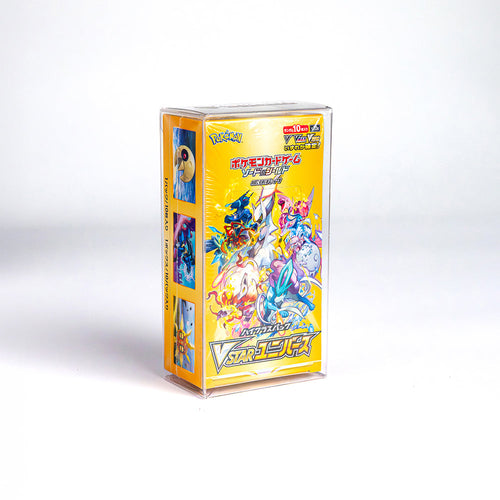
Cards waiting on a grading decision, or ones you've decided not to grade, still deserve protection. A sealed box with a Heimdall® PET Protector keeps the option open for years. A loose card in a penny sleeve in a binder pocket does not.
Unsure whether a specific card is worth the gamble? Send us photos, we look at enough raw and graded cards to give you a straight answer.